Show IPTV vs Cable: Which Option Makes More Sense for Your Home?
A practical comparison of show iptv and cable for viewers who want better flexibility, device access, and a smarter way to watch sports and movies.
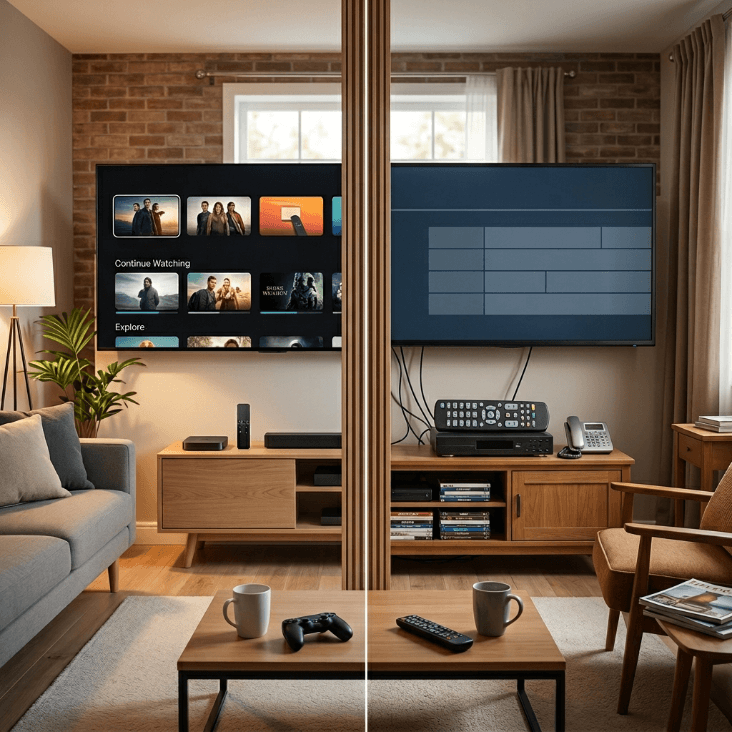
For years, cable was the default choice for home entertainment. It was simple, familiar, and widely available. Today, that is no longer the only path. More viewers now compare streaming-first options with traditional subscriptions because they want more control over where and how they watch. If you are currently weighing show iptv against cable, the right choice depends less on habit and more on the kind of viewing experience you want every week.
This is a commercial decision as much as a technical one. You are choosing how your household will access live TV, sports, movies, and general entertainment. That is why comparisons matter. People searching movie show iptv, show hd iptv, show iptv movies, and show iptv hd are often deep in research mode. They are not just browsing. They are trying to decide what will give them more value, better flexibility, and a smoother everyday experience.
The biggest difference: flexibility
Cable is built around a fixed home setup. Streaming is built around access. That is the simplest way to understand the difference.
With cable, you often watch through a defined box, in a defined room, with less flexibility around devices and household habits. Streaming services like show iptv are usually evaluated by a different standard:
Can you watch on multiple types of screens?
Is the setup simple enough for daily use?
Does it fit modern viewing habits?
Can you shift between sports, movies, and live TV without friction?
For many households, flexibility is now a deciding factor. People no longer watch in one room at one time. They move between the living room TV, bedroom screen, tablet, and sometimes travel setups. That shift in viewing behavior makes streaming especially attractive to users who want their entertainment to follow their lifestyle.
Cost is important, but not the whole story
A lot of comparison articles reduce the decision to price alone. That misses the real point. The better question is not simply which costs less. It is which gives you the viewing experience you actually want for the money you spend.
Cable may feel familiar, but it can also come with long-term equipment expectations, less flexible use patterns, and a structure that fits older habits better than newer ones. Streaming can feel more aligned with modern routines, especially for users who value choice and convenience.
That said, value is not automatic. It should be measured against how you plan to watch. Before choosing, think about these questions:
Do you want a living room-first experience or multi-screen flexibility?
Are sports a major priority?
Do you watch movies often enough that interface and discovery matter?
Will other family members need simple navigation?
Do you want a setup that works across changing devices?
Looking at value through this lens gives you a more honest comparison than a surface-level monthly figure.
Convenience and setup experience
Cable wins in one area for some people: familiarity. Many users already know exactly how it works. But familiarity is not the same thing as convenience.
A convenient streaming setup should let you:
Start watching quickly
Use screens you already own
Navigate categories comfortably
Adjust to your personal viewing schedule
Reduce dependency on a single room or hardware path
This is where show iptv can appeal to households that want a more adaptable entertainment setup. If you care about choice, portability, and everyday ease, streaming may feel more natural than older subscription models.
Viewers focused on show iptv movies often care about quick discovery and comfortable browsing. Sports fans tend to care about live access and stability. In both cases, convenience matters because the best service is the one you actually enjoy using, not just the one that looks familiar on paper.
Device options can change the decision
A cable comparison is incomplete without considering hardware. The question is not only what you are subscribing to, but where you want to watch it.
With a modern streaming option, you may be able to build your setup around the screens you already use. That can make the whole experience feel lighter and more personalized. A household that watches in different rooms will likely value this more than a household centered around one main television.
Before deciding, spend time thinking through these scenarios:
Primary living room viewing
Bedroom or second-screen use
Travel or temporary setup needs
Family sharing and ease of access
Whether you prefer a smart TV alone or external streamer
This kind of planning helps you avoid choosing based only on tradition.
Picture quality and daily satisfaction
People often assume cable will automatically feel more stable because it is older and more familiar. But daily satisfaction comes from a mix of factors:
How good the image looks on your screen
How easy the interface is to use
How fast you can reach what you want
Whether the setup fits your routine
How often the service feels frustrating instead of helpful
When users search show iptv hd or show hd iptv, they are usually looking for a more premium streaming experience. But premium is not just image sharpness. It also means the whole viewing flow feels smooth enough for real life.
A service that works well across your devices, fits your schedule, and gives you comfortable access to sports and films can feel like a better long-term choice than an option that simply follows older habits.
Who should consider each option?
Cable may still suit viewers who:
Want a very traditional setup
Prefer one-room viewing
Rarely change devices or watching habits
Value routine above flexibility
Show iptv may suit viewers who:
Want modern, screen-flexible streaming
Care about sports and movie access
Prefer adapting entertainment around their lifestyle
Want more control over how they watch
This is not about declaring one universally better than the other. It is about fit. The right answer depends on your home, your screens, and your routine.
Final thoughts
Comparing show iptv to cable is really a comparison between two viewing models: fixed and flexible. One is built around an older entertainment pattern. The other is built around how many people watch today.
If your priority is adaptability, device choice, and a more modern path to sports and movie streaming, streaming may make more sense for your household. The best decision comes from thinking about how you already live, how you prefer to watch, and what kind of setup will still feel convenient a few months from now.
For many buyers, the real advantage is not just access to content. It is the freedom to shape entertainment around the household instead of shaping the household around the service. That is what makes this comparison so important before you commit.
Related reading: